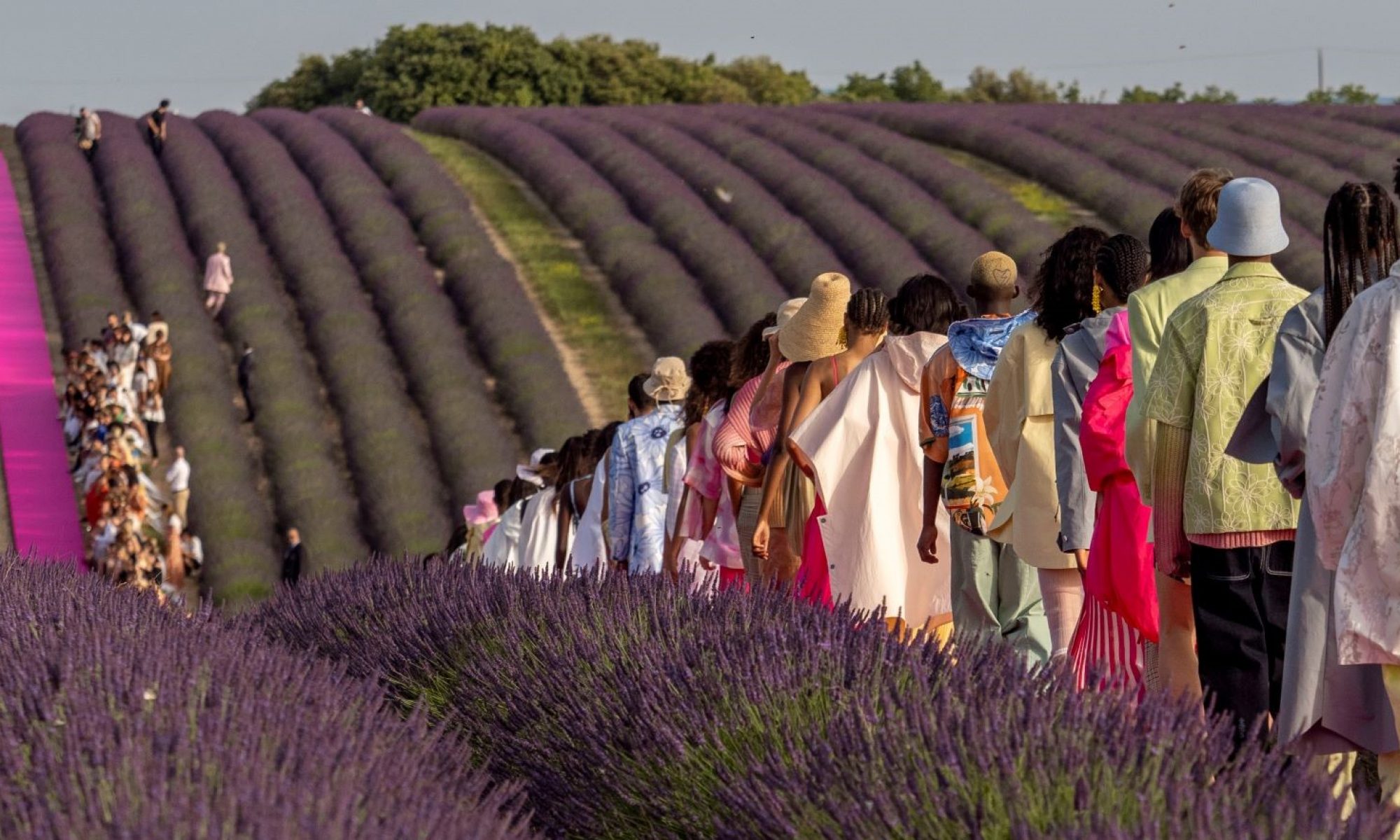
Faced with the growing pollution and waste generated by fast fashion, a new generation of designers is rethinking fashion by exploring the remains of an industry more than ever in search of a new system.
THE BEGINNINGS OF UPCYCLING
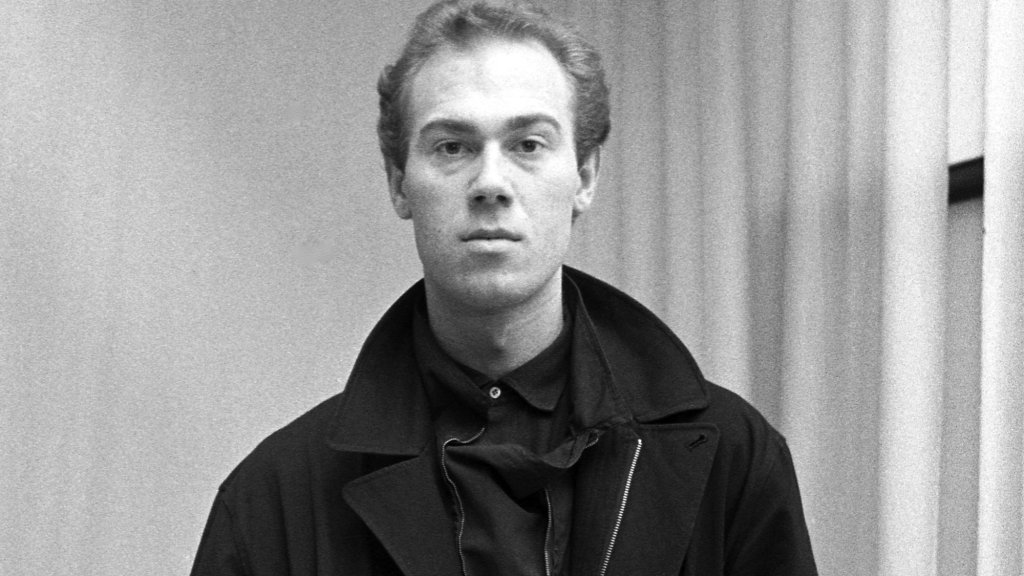
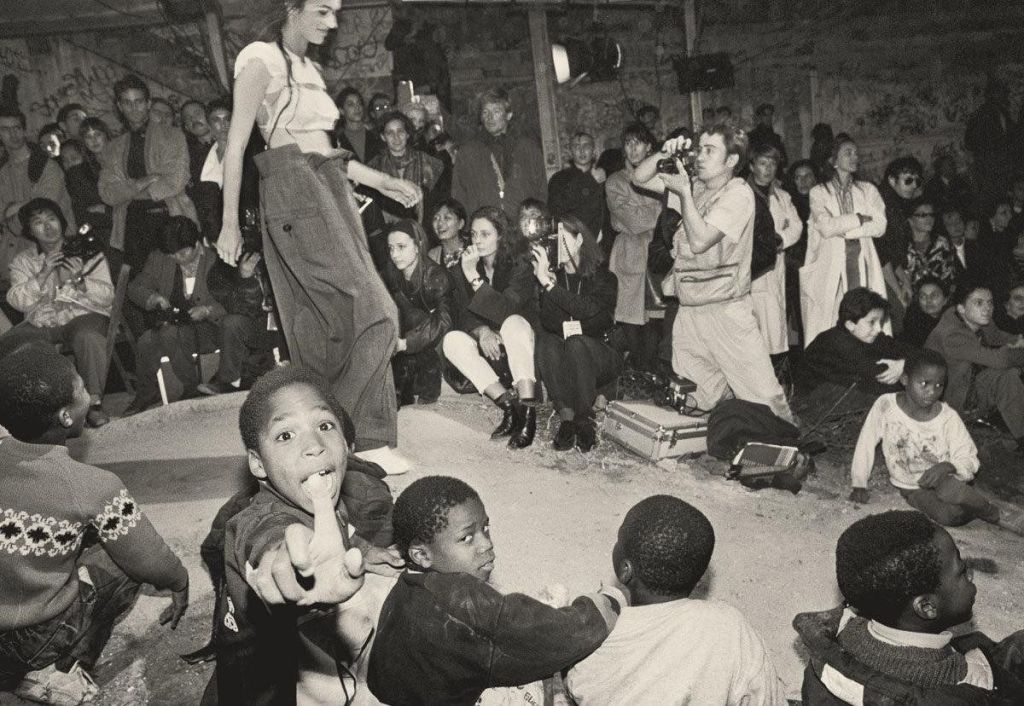
The fashion world is about to experience a fashion show that remains one of the significant in the fashion industry. October 19th, 1989. Martin Margiela revolutionized the luxury industry by presenting his spring-summer 1990 collection. Unlike the big houses of the time, the Belgian designer chose one of the poorest places in Paris to host his show. The designer’s models are decorated with plastic bags and the sets are sometimes bound only with tape. Without claiming it, or even knowing it, Martin Margiela had just democratized upcycling. Since his creation, labelled « Artisanal », created from recycled and deconstructed pieces was presented in 2006, the Belgian designer will then encourage a whole generation of young designers to create an upcycled, iconoclastic and responsible fashion.
FALLING FABRICS, DEADSTOCKS, VINTAGE PRODUCTS: THE NEW LUXURY
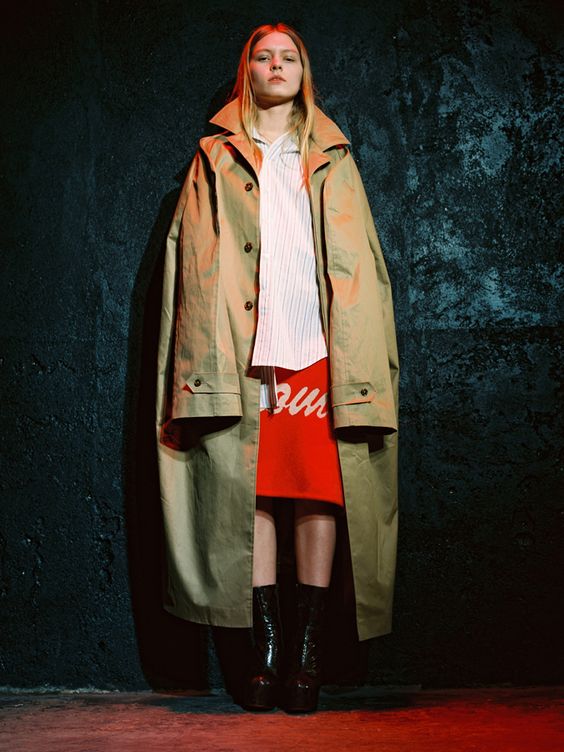
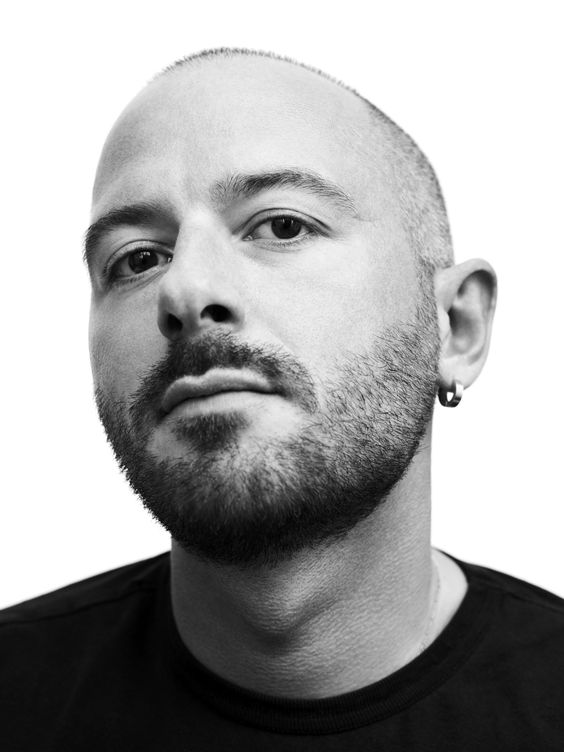
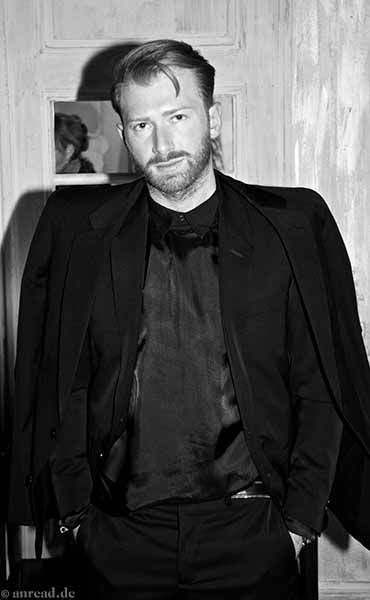
In an era when the industry was entering the fast-fashion world, the attraction for sustainable fashion will take hold in the early 2010’s. Brands are becoming more and more concerned and are looking at the current concept of upcycling. The creators work from scrap fabrics, deadstocks or vintage products to avoid waste and pollution like Demna and Guram Gvasalia, founders of Vetements. Their watchwords, « Deconstruct to rebuild better »
HOWEVER, WHAT SOLUTIONS FOR SUSTAINABLE FASHION?
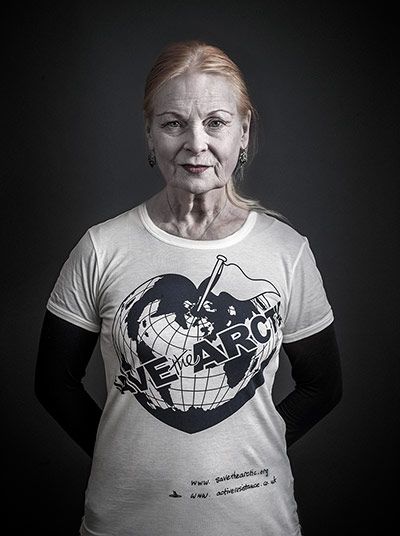
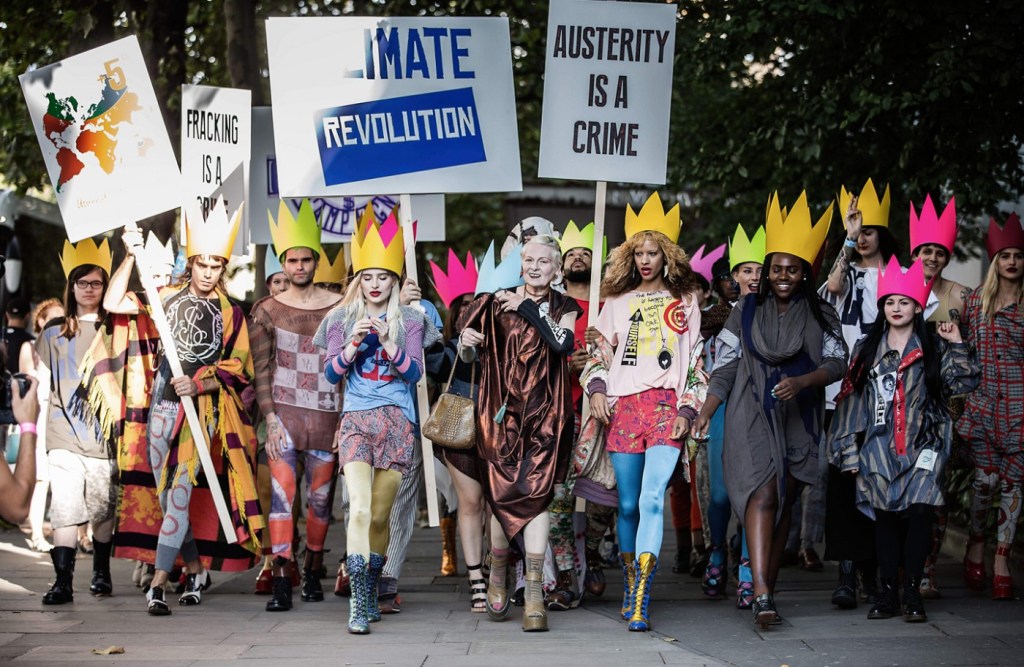
While boutiques and young brands are demanding an upcycling approach, brands like H&M want to combine fast-fashion and sustainable fashion by producing limited editions. We also know that new processes and fabrics, which are certainly less polluting, are currently more expensive. Are consumers willing to pay more for more ethics? Before thinking about producing less, it would be better to show society that we can exist in over-consuming. « This will educate consumers to rethink their actions and purchasing power. « explains Stephanie Calvino. As Vivienne Westwood, the most committed designer in the history of fashion, does so well. It is regularly at the forefront of environmental or societal events such as the Climate March. If we summarize the solutions, there are ethical fashion brands, second hand, and common sense.
 the green fashion tribune