6 TIPS TO SHOP SMARTER AND BUILD YOUR OWN SUSTAINABLE CLOSET

As the majority of the population, I used to be extremely demanding regarding the prices I bought my clothes for. When going into the shop, I would constantly buy the cheapest clothes, those on sale, that I could get for a steal….
What I realized back then was that those clothes were so cheap just because they were fast fashion. Those clothes were such a low quality that they would shrunk or faded after one or two washes, putting in the trash the work of people who are not paid fairly for their time, without mentioning that insane amount of pollution I was creating in synchronicity with the companies I was buying from.

Two years ago, I didn’t’ know what it meant to have a sustainable wardrobe and I can insure you I had no idea that they were ways to be more mindful about my consumption.

I was persuaded that I was saving money on clothes, because I paid so little for them while in reality, I was really just throwing my money away.

If I had the brilliant idea to shop smarter and more sustainable fabrics, I would have better quality clothing that would last me years instead of months and that were made more responsibly for the people and for the environment.

What I learned thought is that if you are willing to work your way around the big companies, put a bit more of cash and a little bit of love and caring, into these clothes of yours, they would last longer.

Congrats, you’ve just learned what is slow fashion a.k.a an awareness and approach to fashion, which considers the processes and resources required to make clothing, particularly focusing on sustainability. It involves buying better-quality garments that will last for longer and values fair treatment of people, animals and the planet.

But why is it so important you ask me?

The clothing and textile industry is the second largest polluter of the globe, racing with oil. This pollution comes from the manufacturing but also because of the way we discard our agreement when we’re done with them. Only 20% of clothing in the world is currently recycled or reused.

But fear not because they’re easy to implement solution to embrace the slow fashion, by creating a sustainable (and optimally capsule) wardrobe. When it comes to building your closet, what you want to keep in mind is that: Production / Consumerism /Recycling

They’re all part of a clothing life cycle’s but thanks to our modern ages, we’ve added some more link to the chain such as the thrift shops… So here are six ways to create your ideal ethical closet whatever your budget is.

Value and take good care of the clothes you own.

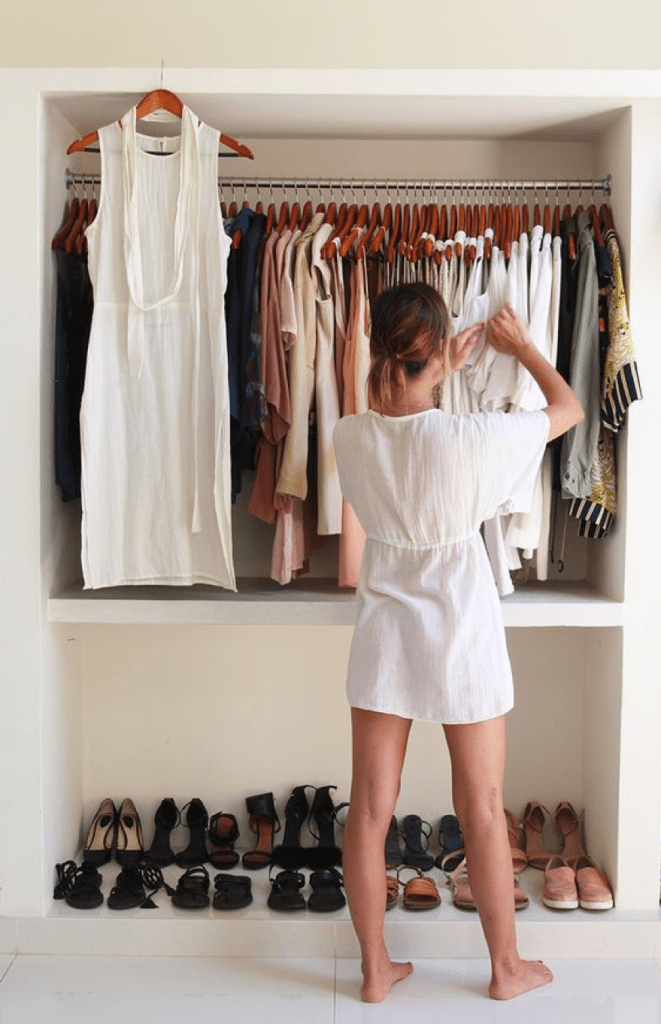
Taking care of the clothes you already own is the best and most basic thing you can do to build a more ethical closet.

Nor did somebody somewhere spend a lot of time and effort into making it, but the better you care for your clothes, the longer they will last. But that’ll also means they’ll need to be replaced less often and overall, you’ll buy fewer clothes, cutting lose your contribution to the fashion in the long-term.

Read the washing instructions on the labels and follow them, fold the heavy wool sweater instead of hanging them and deforming time.

Recycle and D.I.Y your worn-out pieces

Pieces that are scratched, holed or that you’re bored with can turn into new and exciting items if you’re willing to dedicate some time and love into modifying and fixing them. From an old dress, you can create a two-piece matching outfit, and convert one of your dad shirts into a cute tank top.

Don’t forget to turn to your relatives who always have items they don’t want anymore and your aunt or grandma for this sewing machine which always looked magical when you were a kid. That’ll give you something to brag about to your friends… sewing skills.
Discard your clothes thoughtfully

If everything mentioned above fail and even your creative mind can’t find a way to transform your last loss into a chef d’oeuvre, discard your clothes thoughtfully.

In every city, clothes bins exist for you to give your teared clothes a chance at being recycled and put back into the manufacturing process. This way you give the cloth a longer lifespan in another shape.

Shop less, choose your pieces better

Of course, when you’re in the need of another outfit don’t refrain from going to the store. But be mindful, the fast fashion industry has gotten its name for the quick rate at which catwalk and companies are delivering clothes and collections to the masses. It also describes the most common way that we shop for our clothes: fast, without thinking too much about it!

The result: we grab thing here and there, attracted by the low prices and the newness around the product. That leaves us with a closet full of stuff that we’re not that crazy about, and that creates the void which impulse us to go back to the store, to replace the imperfect pieces with better alternatives to end up with nothing to wear. 

My solution to break the cycle: start choosing better, step up to that seller. Don’t buy the first pair of jeans that fits, find the one that you won’t quit and that will last you years.

Be more selective: YES less is better, don’t buy things that aren’t ideal, that are trendy but won’t go with anything in your closet.

My technique: leave the piece in the store, take a stroll and go try it back one. You’ll realize if you really want to go back to the store or to just keep walking. By learning to wait, you’ll buy less in the short-run but also in the long-run because you’ll build up a much better and satisfying closet.
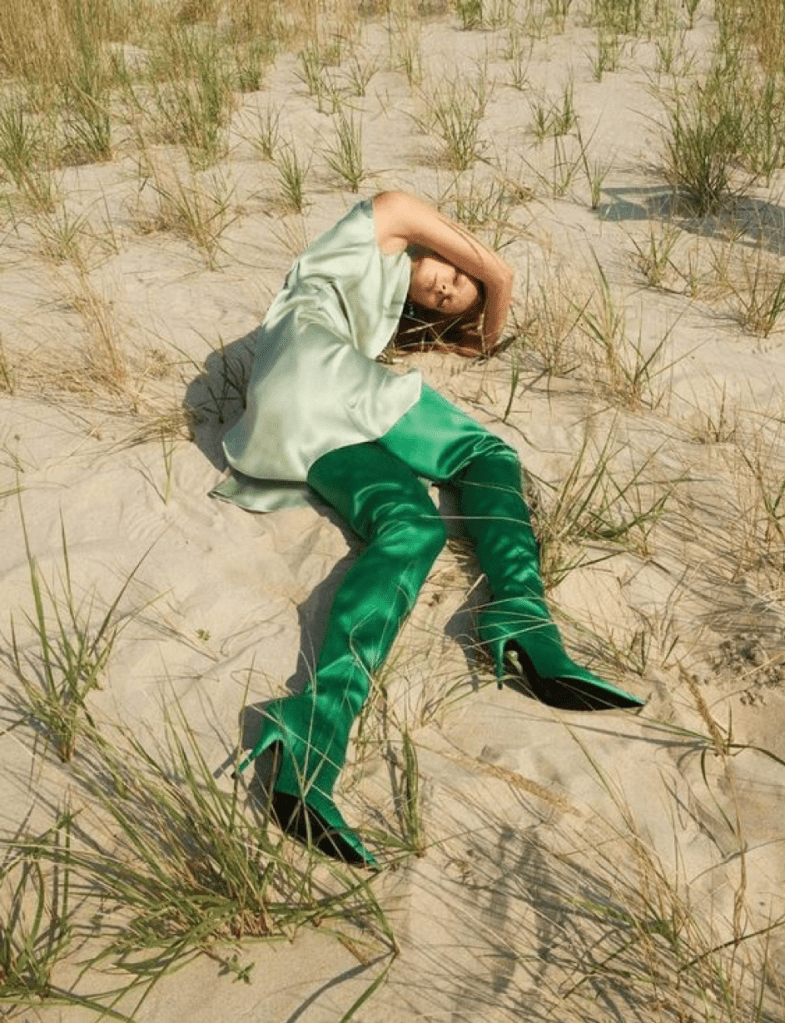
Go for clothes that are high-quality and durable

Building a sustainable closet requires you to buy high-quality clothing that won’t deteriorates during a short time.

No matter the brand, buying clothes that are well-made and consist of high-quality materials is eco-friendlier than buying lower-quality pieces, because they’ll last longer and won’t need to be replace as often.

Also, paying a price higher for clothes that’ll last you longer, will still make you save money in the end, because you’ll end up buying less. Meaning less closet turn-over and less shopping overall!

Second-hand is your best friend

A great budget friendly solution is the market of the second hand, cheaper that buying from ethical brands who tends to be pricier for all the great reasons: better quality, long-lasting agreement and equally paid, you can check all the criteria by buying pre-worn clothes which were made and designed before planned obsolescence even existed.

The only dark side of vintage shopping is usually how time-consuming it can get, but its worth all the effort when you find the unique piece that’ll make all your friend jealous because of its longevity, cheap-price and unique design.
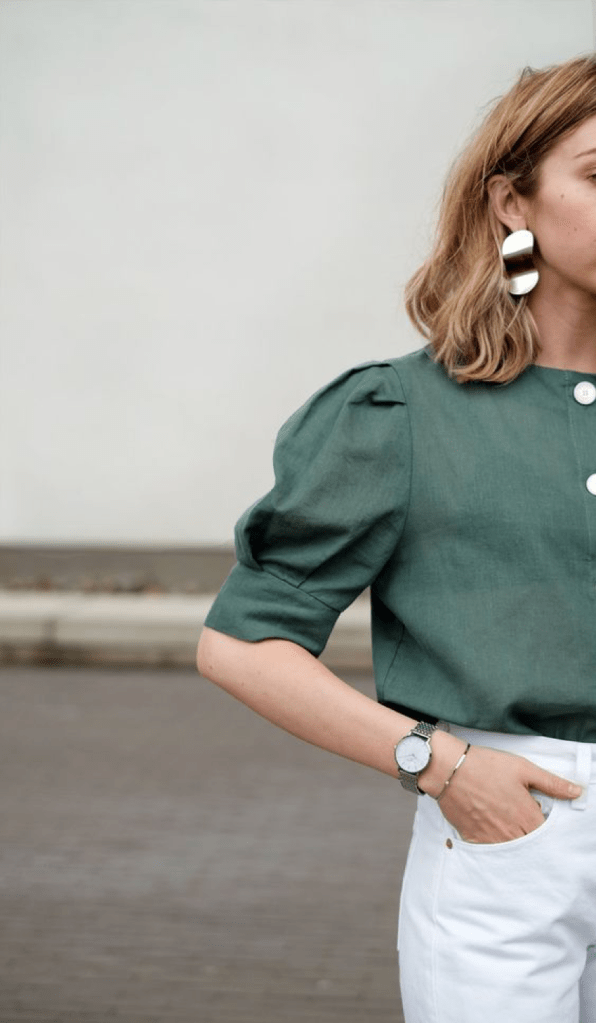
I hope that all those reasons helped you get started on your journey to a more responsible way to shop. This article was written knowing everyone already has a closet, don’t start over by throwing everything away. You can start by putting everything on hanger, by the end of your first month, the 50% percent of clothes you won’t have touched can be sold online, given to friends and siblings or redesigned. It’s a process and throwing half of your closet will only leave you with sour taste of waste of money, time and love. Start slow and don’t give up.

Great things take time.
WHERE TO FIND LUXURY VINTAGE ONLINE?

You too are tired of fast fashion and you don’t understand how beautiful pieces can’t be reused?? You were for so many times looking for an ultimate guide to vintage without ever finding it?

Do not look anymore, we are now here!

Looking for more sustainable shopping habits? In love with beautiful pieces that have a story, which are full of charm?

In this section, focus on 4 websites offering LA CRÈME DE LA CRÈME of vintage luxury where you will find second-hand pieces to build slowly but surely your sustainable wardrobe! 😉

Here we go !

VESTIAIRE COLLECTIVE

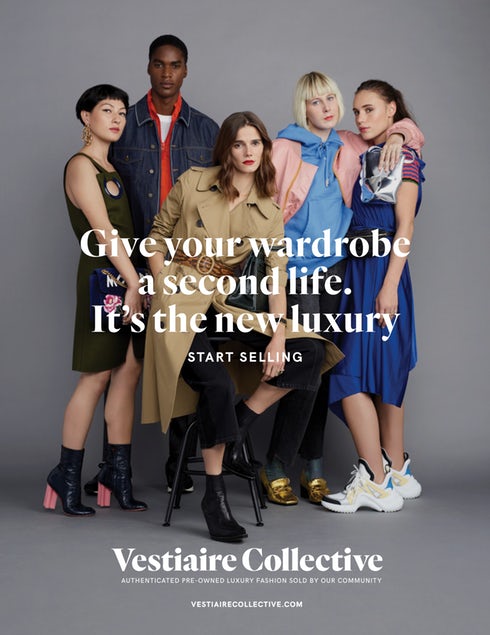
Vestiaire Collective is THE number 1 site that you are looking for, we no longer present you this must-see site of secondhand luxury fashion.

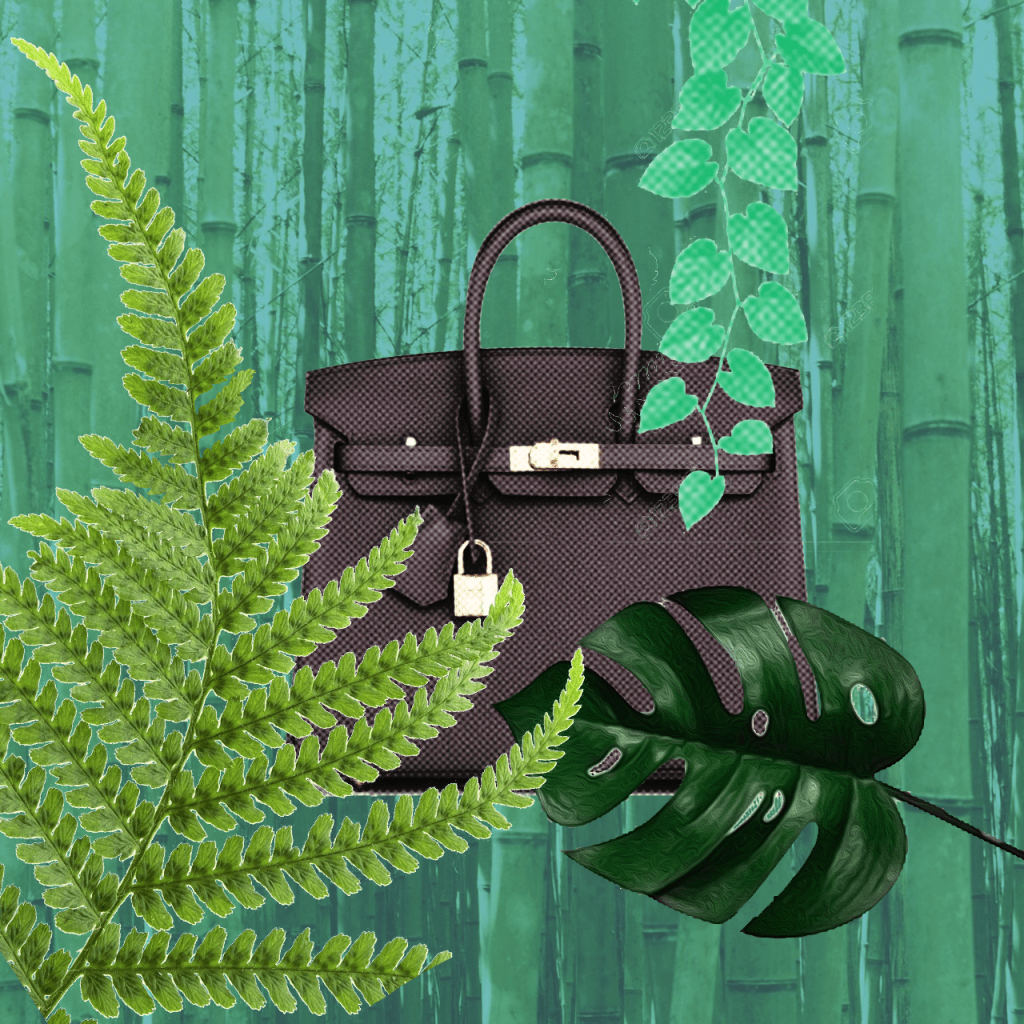
This website made in France is a real gold mine where you can find everything. In the «Vintage» section, you can find all the classics available, whether it’s a Tweed Chanel jacket, red soled heel or even a Hermès ultra-rare Birkin bag.

Fashion designers and big luxury houses share the platform to offer you their best pieces.

Bonus? You can buy but you can also resell pieces that you no longer need or appreciate in order to make others enjoy.

https://fr.vestiairecollective.com

FARFETCH

Résultat de recherche d'images pour "farfetch"

Oh yes, now you know that even luxury sellers are getting vintage. On the ultra-known Farfetch luxury platform, you’ll find a « vintage » section with the creations of the greatest designers and luxury houses.

Did you miss the Balenciaga pants of your dreams or a Jean Paul Gaultier necklace spotted on the catwalk? Do not wait any longer to shop these pieces on Farfetch.

A little aside to go further: Did you know?

Farfetch has partnered with the Thrift+ resale platform (which resells used clothes online and donates a portion of the proceeds to charities) and invites consumers to donate their used clothing and accessories to organizations in exchange for a voucher to use on the site.

Nice no? We say YESSS to such initiatives!

https://www.farfetch.com

VIDEDRESSING

Résultat de recherche d'images pour "videdressing"

You are looking to buy or sell ultra-stylish luxury pieces to fashion enthusiasts? Videdressing is for you: 1st community videdressing to look for pieces in a good conscience with good people.

https://www.videdressing.com

WHAT GOES AROUND COMES AROUND

Shop Louis Vuitton

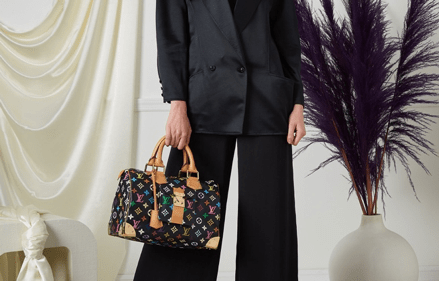
Normally, you can find What Goes Around Comes Around at several addresses in the United States (do not hesitate to go if you’re around) and now all these treasures are present online. Known mainly for being a reseller of pre-owned bags and accessories, you can also find cool pieces that are worth it.

https://www.whatgoesaroundnyc.com

IS UPCYCLING THE MIRACLE SOLUTION TO SAVE THE TEXTILE INDUSTRY?

Faced with the growing pollution and waste generated by fast fashion, a new generation of designers is rethinking fashion by exploring the remains of an industry more than ever in search of a new system.

THE BEGINNINGS OF UPCYCLING

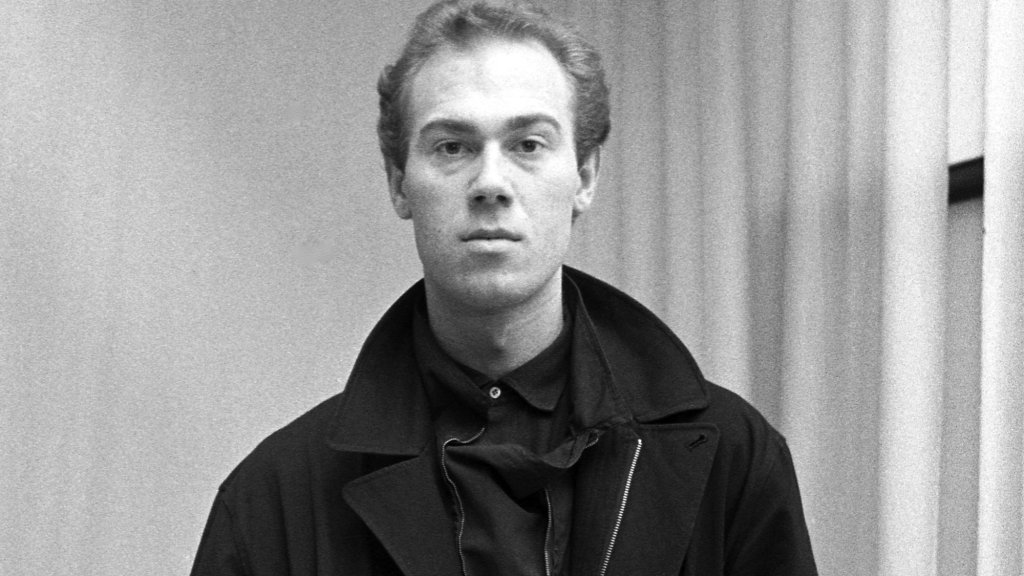
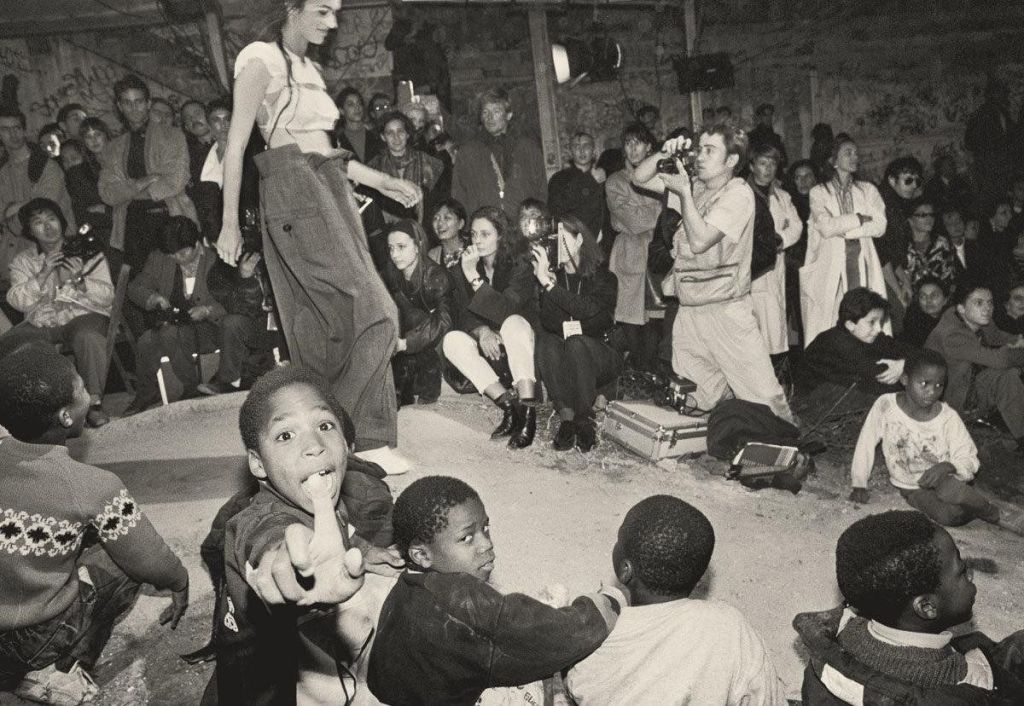
The fashion world is about to experience a fashion show that remains one of the significant in the fashion industry. October 19th, 1989. Martin Margiela revolutionized the luxury industry by presenting his spring-summer 1990 collection. Unlike the big houses of the time, the Belgian designer chose one of the poorest places in Paris to host his show. The designer’s models are decorated with plastic bags and the sets are sometimes bound only with tape. Without claiming it, or even knowing it, Martin Margiela had just democratized upcycling. Since his creation, labelled « Artisanal », created from recycled and deconstructed pieces was presented in 2006, the Belgian designer will then encourage a whole generation of young designers to create an upcycled, iconoclastic and responsible fashion.

FALLING FABRICS, DEADSTOCKS, VINTAGE PRODUCTS: THE NEW LUXURY

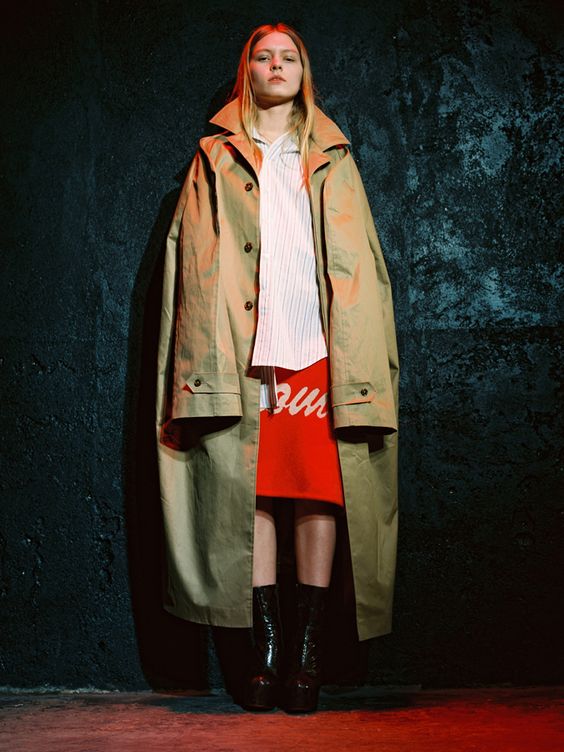
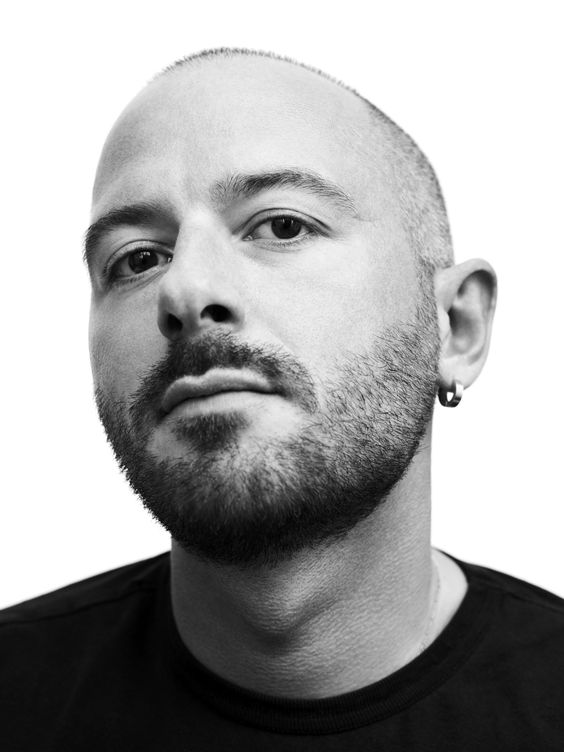
In an era when the industry was entering the fast-fashion world, the attraction for sustainable fashion will take hold in the early 2010’s. Brands are becoming more and more concerned and are looking at the current concept of upcycling. The creators work from scrap fabrics, deadstocks or vintage products to avoid waste and pollution like Demna and Guram Gvasalia, founders of Vetements. Their watchwords, « Deconstruct to rebuild better »

HOWEVER, WHAT SOLUTIONS FOR SUSTAINABLE FASHION?

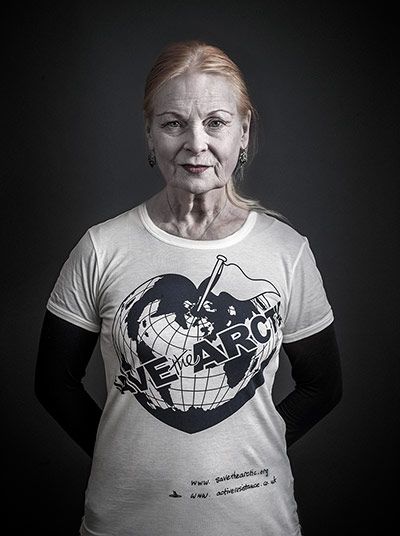
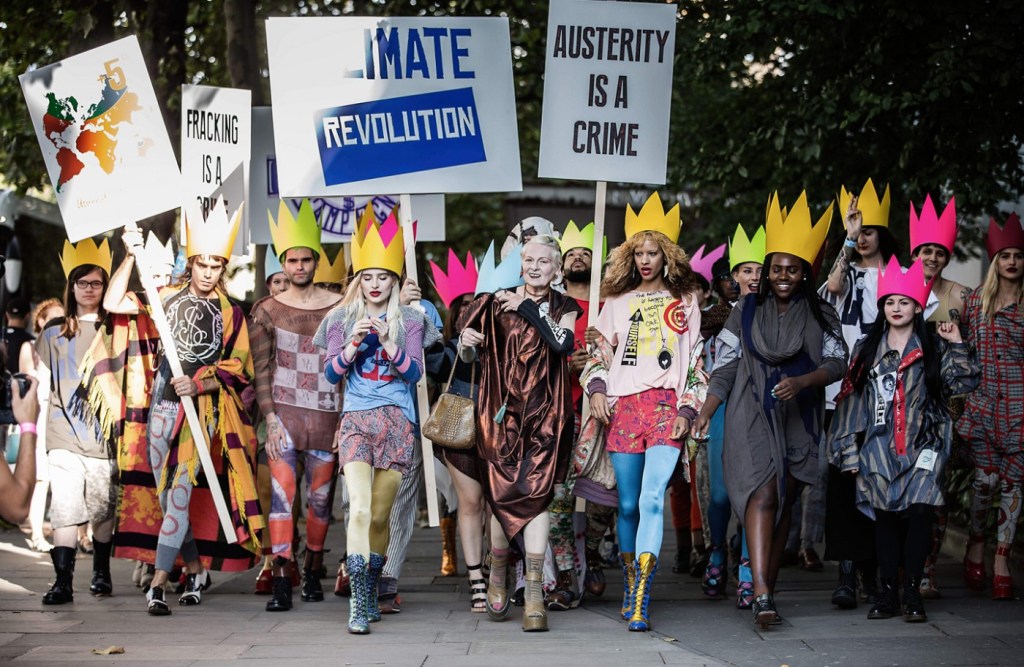
While boutiques and young brands are demanding an upcycling approach, brands like H&M want to combine fast-fashion and sustainable fashion by producing limited editions. We also know that new processes and fabrics, which are certainly less polluting, are currently more expensive. Are consumers willing to pay more for more ethics? Before thinking about producing less, it would be better to show society that we can exist in over-consuming. « This will educate consumers to rethink their actions and purchasing power. « explains Stephanie Calvino. As Vivienne Westwood, the most committed designer in the history of fashion, does so well. It is regularly at the forefront of environmental or societal events such as the Climate March. If we summarize the solutions, there are ethical fashion brands, second hand, and common sense.

STELLA MCCARTNEY, THE PIONEER OF ETHICAL LUXURY FASHION

Image associée

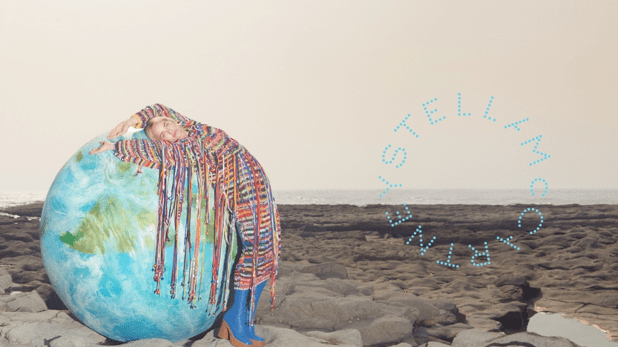
She was born in London and grew up between the capital and the English countryside. She realized studies of art and design then she made fashion collections of fashion with a sensual and natural style. Stella McCartney is today the most engaged fashion designer in luxury field.

Résultat de recherche d'images pour "stella mccartney campaign 2019"

In 1997 she had a great success at Chloe in Paris. And in 2001, Stella McCartney founded her own fashion house owned by the Kering Group (50%). It is a luxury brand that is present all over the world (shops and website).

Since she is young, Stella McCartney is vegetarian and therefore never wanted to use leather or fur, feather or animal tissue in her creations. She expresses its commitment to sustainable development in all its collections. She wants to convey the image of a responsible, honest and modern luxury company.

She has a real talent in fashion. She makes collections for women (clothes, accessories, lingerie, glasses, perfumes) but also for children. But Stella McCartney campaigns daily for a more ethical and sustainable fashion especially in the luxury sector.

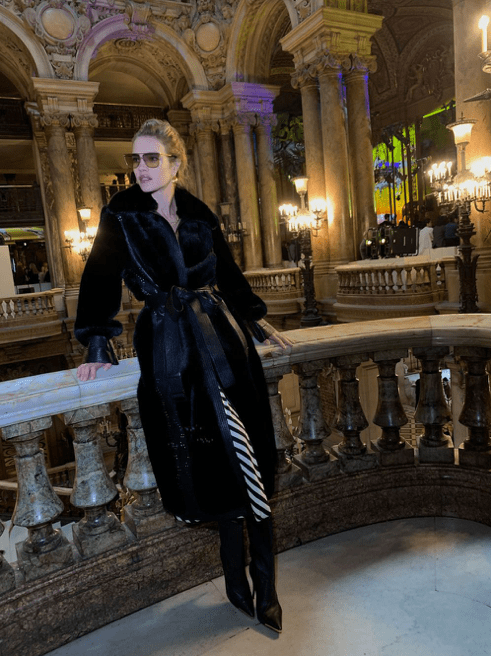
In September 2019 she presented her most sustainable collection until today and it’s a way to truly share her commitment to sustainable fashion. His collection was made of 75% ecological clothing. This fashion show was at the origin of a textile revolution also with its fully recyclable fake fur coat composed of 37% of plant organisms.

Résultat de recherche d'images pour "stella mccartney fourrure défilé 2019"

His fashion shows are always eagerly awaited because they are very surprising and committed. The British designer truly knows how to combine luxury with the environment and sustainability. She is talented and inspires many people.

After leaving the luxury group Kering, in 2019 Stella McCartney shared of its capital to the leading group LVMH to accelerate the development of Stella McCartney. It is also a way to highlight the British ambassador for LVMH’s sustainable development operations. The designer is therefore desired by the luxury leader to promote its sustainability policy.

Her main ambition at Stella McCartney is truly to create an eco-friendly and elegant fashion while trying to make the other creators of the sector react.She continues to work and develop new materials such as organic cotton, the  « sustainable » viscose (natural fibers from ecologically responsible forests), recycled polyester …

Stella McCartney participates in events, conferences related to sustainable development. For example, she participated in the event at the Palais Garnier in Paris with many actors involved in the environmental cause to discuss the future of sustainable fashion.

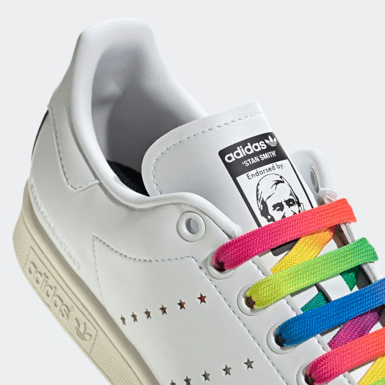
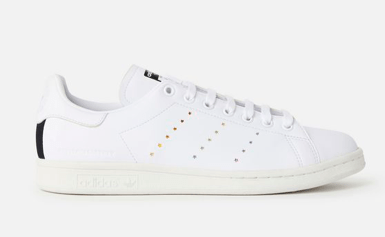
Today, Stella McCartney collaborates with Adidas to realize the StanSmith 100% vegan (limited edition) to 250 €. Is it a communication or a real sustainability collaboration? In any case, Stella McCartney has influenced Adidas to an eco-friendly fashion product so it’s a great initiative!

The British designer is increasingly reacting fashion and luxury brands. His sustainable commitment is progressively transmitted. It makes react the luxury houses but also the consumers.

THE NEW VALUES OF LUXURY: SUSTAINABLE AND RESPONSIBLE INNOVATION

Leather goods, jewellery, haute couture, textiles,… luxury is one of the largest sectors of activity in France. It raises questions about the future of this sector, which is very affected by environmental issues and societal changes.

Nowadays, responsible consumption is the new trend in the luxury sector. We are aiming for a more rational luxury, both ethical and sustainable. In particular with the second-hand market, which could grow by +12% by 2021, and reach 31 billion euros according to a study. It should also be noted that the majority of buyers of second-hand items are premium consumers.

A green plant

Description automatically generated

This market is growing rapidly as consumers are increasingly committed to sustainable development. Indeed, luxury consumers favour committed brands, and learn more about brands’ CSR policies when deciding on their purchases. Thus, three main trends are at the heart of today’s consumer expectations: respect for the environment, animal welfare and ethical manufacturing.

Millennials are the big audience of these consumers because they value the CSR values of a luxury brand. Indeed, more and more informed, they want transparency and traceability on a permanent basis. According to a study, they will represent 50% of luxury customers in 2025, and will therefore have an impact on purchase methods.

The major groups, LVMH and Kering, are now competing to propose concrete and visible actions in terms of ethics and social and environmental responsibility. Some brands act a lot on this subject, such as Stella McCartney. LVMH created the Fashion Tech Lab, a start-up supported by the big names in the industry whose goal is to make fashion and ecology compatible. Kering, for its part, committed itself in 2017 to reduce its CO2 emissions by 2025. Its CEO called on financial institutions to change the way they evaluate companies in order to take into account their environmental and social performance.

Moreover, the coherence between price and perceived value is also becoming a criterion that could affect traditional luxury with the growth in prices of « iconic » luxury products: +55% in six years for handbags. Consumers are increasingly perceiving this gap between price and perceived value of luxury products. Brands should perhaps move towards a shared economy that better reflects the degree to which buyers perceive the quality of products or services and their embodiment in the price.

However, consumers have already found alternatives. First of all, with the purchase of second-hand luxury items with Vestiaire Collectif or Galeries Lafayette. Then, rental, for its part, develops with Pinel & Pinel for example. But also, on the other hand, the tailor-made approach, which is increasingly manifested as proof of exclusivity, as proposed by Le Bon Marché.

New initiatives are developing on the luxury goods rental market: dresses, bags, watches… For consumers, the use counts more than possession. Luxury brands must therefore be aware of the new rules of this market in order to recruit new customers, especially younger ones, who will buy luxury products in the future. In addition, learn from these new uses in order to adapt the offer accordingly (products, prices, experience, shops…).

In conclusion, to seduce the millennials, luxury brands must prove their willingness to protect our planet and its inhabitants. Being eco-responsible could increase brand awareness. Indeed, knowing that luxury customers are particularly attentive and become uncompromising on social and environmental issues, brands must make a sincere commitment and think about a sustainable development strategy if they want to « survive ».

Concevoir un site comme celui-ci avec WordPress.com
Commencer